


Not long ago, massage chairs were all about rollers, airbags and how close they felt to human hands. If it felt good, that was enough.
Now? People are checking heart rate. Looking at blood oxygen numbers. Comparing sensor specs before they buy. So what changed?
It’s not that massage suddenly became medical. It’s that consumers became more aware of their bodies — and more curious about proof.
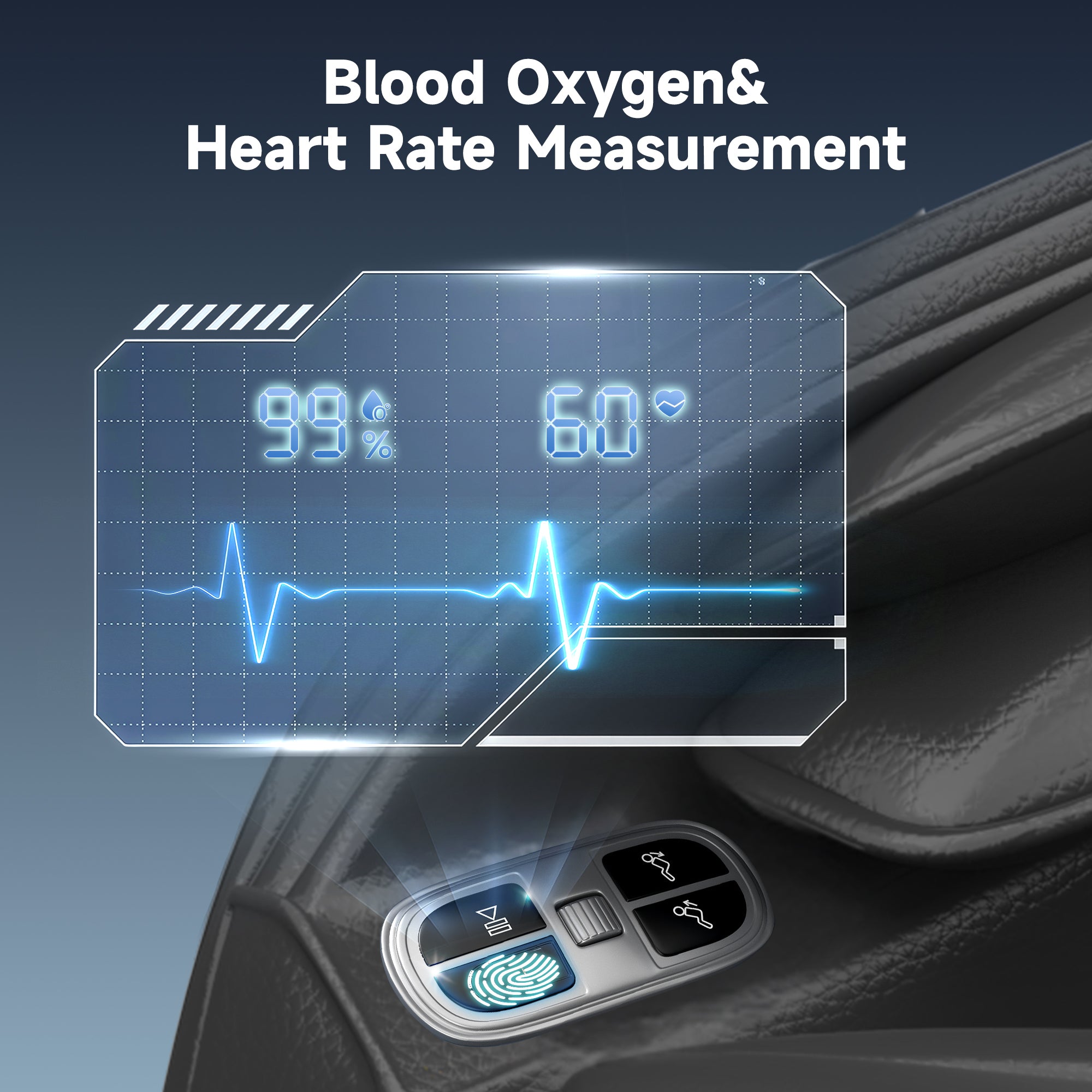
Real Relax Favor-06 3D massage chair with blood oxygen and heart rate measurement
We Got Used to Seeing Our Numbers
Wearables changed everything.
Once people started glancing at their wrist to see heart rate, sleep score or oxygen levels, something shifted. Health stopped being a vague feeling and became a dashboard.
When you’re already tracking your steps, recovery and stress levels, it feels natural to expect your massage chair to show something measurable too. Not because you need clinical data — but because numbers feel grounding.
If your heart rate drops during a session, you’re not just “feeling relaxed.” You’re watching your body settle in real time. That’s powerful.
Relaxation Feels Better When You Can See It
Stress today isn’t just tight shoulders. It’s constant stimulation — screens, notifications, long work hours, travel, noise.
People are more tuned in to how stress affects their heart rate. A higher resting rate. Shallow breathing. That wired feeling at night.
When a massage chair shows your heart rate gradually slowing down, it creates reassurance. It tells you your nervous system is shifting from alert mode into rest mode.
SpO₂ (blood oxygen saturation) adds another layer. While most healthy users will stay within normal ranges, seeing stable oxygen levels reinforces that your breathing and circulation are steady during the session.
It turns relaxation into something visible.
And visible equals believable.
Post-Pandemic Oxygen Awareness
A few years ago, most people didn’t know what SpO₂ meant. Now it’s common knowledge.
Home pulse oximeters became normal. Oxygen levels became a topic of everyday conversation.
That awareness didn’t disappear. Even healthy users now associate oxygen levels with overall resilience and respiratory comfort.
So when a premium massage chair includes SpO₂ monitoring, it feels modern. Responsible. Thoughtful.
Not because users expect medical diagnosis — but because they’ve learned oxygen matters.
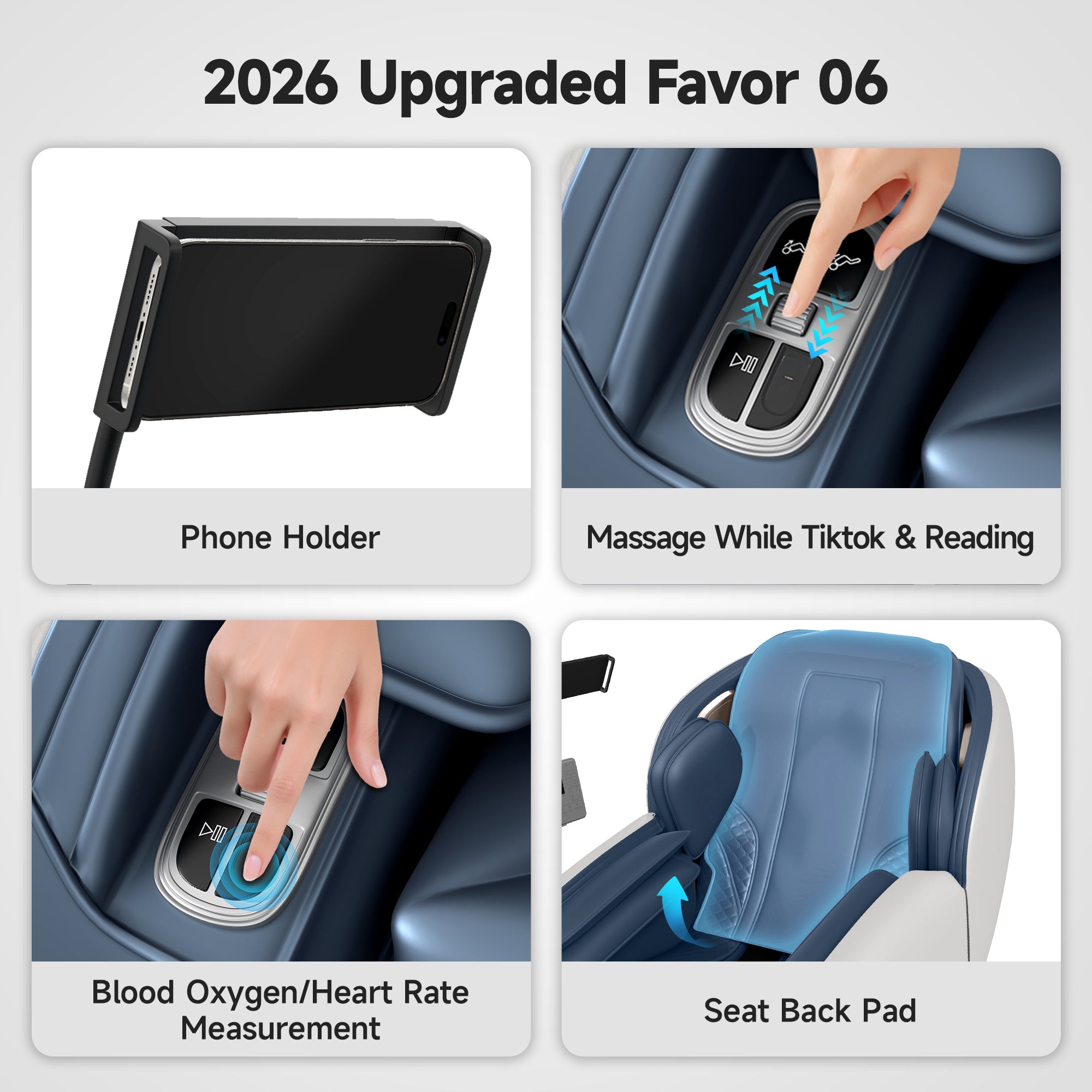
Upgraded Real Relax Favor-06 massage chair
Wellness Is Becoming Data-Driven
Massage chairs used to sit firmly in the “luxury comfort” category. Soft leather. Sleek design. Zero gravity positioning.
Today they’re moving closer to wellness technology.
Heart rate monitoring allows chairs to respond more intelligently. Some models can adjust intensity based on your physical response. Others use the data to recommend shorter or gentler sessions.
That shift from fixed programs to adaptive sessions changes the perception entirely. It feels less like furniture and more like a responsive system.
And for buyers investing in higher-end models, that difference matters.
Personalization Feels Safer
Massage intensity is subjective. What feels deep and satisfying to one person might feel overwhelming to another.
When sensors are involved, it adds a layer of reassurance.
If heart rate spikes unexpectedly, the chair can reduce intensity. If your body settles, it can maintain pressure. Even if the adjustment is subtle, the idea that the chair is “aware” of your state builds trust.
This becomes especially important in households where multiple people use the same chair — including older family members.
The presence of monitoring doesn’t mean users are worried. It just means they feel supported.
Proof Helps Justify the Price
Premium massage chairs aren’t impulse buys.
Buyers compare features carefully. They want to understand what separates a $1,500 model from a $6,000 one.
Biometric sensors help explain that gap.
Rollers and airbags provide the physical massage. Heart rate and SpO₂ tracking provide feedback. Together, they shift the experience from passive comfort to measurable wellness.
Even if users don’t analyze every session’s data, the feature signals advanced engineering. It suggests thoughtful design beyond surface-level comfort.
That perception alone can influence buying decisions.
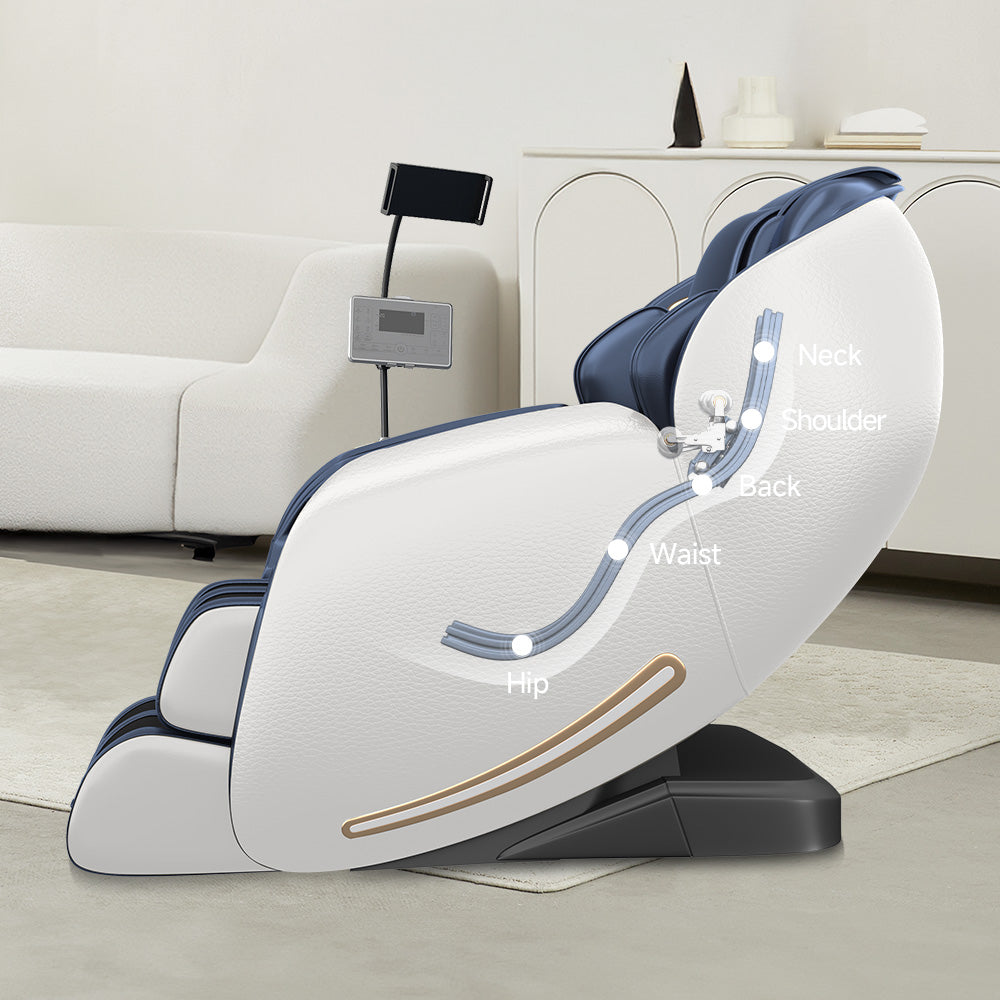
Favor-06 3D massage chair with heart rate & SpO₂ monitoring (CAD $2,699.99)
It’s Not About Medical Claims
This part matters.
Massage chairs with heart rate and SpO₂ monitoring are not medical devices. They don’t diagnose. They don’t replace professional care.
What they do offer is awareness.
They show how your body responds during a session. They encourage you to pay attention. They create a bridge between how you feel and what your body is doing.
That balance — comfort plus information — is what modern buyers are drawn to.
The Emotional Side of Numbers
There’s also something psychological happening.
Seeing your heart rate drop from 82 to 68 during a session feels satisfying. It’s immediate feedback that your body is unwinding.
It reinforces the habit.
People are more likely to continue routines when they see results. Even small, simple metrics can motivate consistency.
And consistency is where real benefits happen — better sleep, reduced tension, improved mood.
Where This Trend Is Heading
Biometric integration in massage chairs is still evolving.
We’ll likely see better sensor accuracy, smoother adaptive programs, and deeper integration with health apps over time. As home wellness becomes more sophisticated, users will expect devices to communicate with each other.
The massage chair won’t just be a standalone product. It will be part of a connected recovery ecosystem.
And heart rate plus SpO₂ monitoring is an early step in that direction.
So Why Do They Matter?
Because people want more than comfort now.
They want insight.
They want reassurance.
They want personalization.
They want visible results.
Heart rate and blood oxygen monitoring don’t replace the core massage experience. They enhance it. They make it feel intentional.
In a world where we track almost everything, it makes sense that even relaxation has joined the data conversation.
And for many buyers, that extra layer of awareness is exactly what turns a massage chair from “nice to have” into something they truly value.


