


When I first started looking at massage chairs, I assumed the US and Canadian markets would be nearly the same. Same brands, similar models, same voltage—it didn’t seem like there would be much difference.
Once I started comparing options, reading reviews and picturing where the chair would fit in my home, I noticed some clear differences. Not in terms of quality, but in the priorities of buyers on each side of the border.
Why I Even Wanted a Massage Chair
The reasons are simple: my back gets stiff, my shoulders tighten up and paying for weekly massages adds up quickly. Having a massage chair for home lets me relax whenever I want, without worrying about appointments or travel.
But as I explored both the US and Canadian markets, I realized the way chairs are marketed and designed really shapes the shopping experience.
US Market: Power and Technology Front and Center
Browsing American listings, the first thing that hits me is the emphasis on strength. Words like “deep,” “intense,” and “strong” pop up everywhere.
The feature lists are impressive:
-
Multiple massage programs
-
Adjustable rollers and intensity
-
Body scanning and AI-assisted massage mapping
-
Touchscreens, apps and Bluetooth connectivity
Even if I don’t plan to use every feature, having all these options makes the chair feel advanced and high-tech.
Space doesn’t seem like a huge concern either. Many chairs are marketed for big living rooms, basements or home theaters. If a chair is bulky but packed with features, it doesn’t feel like a dealbreaker.
Price also feels a little more emotional in the US. Higher price points are often framed as part of the experience—you’re not just buying a chair, you’re buying a feeling of luxury and performance.
Canadian Market: Comfort and Practicality Lead
Switching over to Canadian listings, my priorities shift. Comfort becomes the first thing I notice. I want a chair I can use often without ending up sore the next day.
Heating quickly moves up the list of must-haves. Warm backs, seats and footrests make a chair feel inviting, especially during Canada’s long, cold winters. A chair without proper heat just doesn’t feel complete.
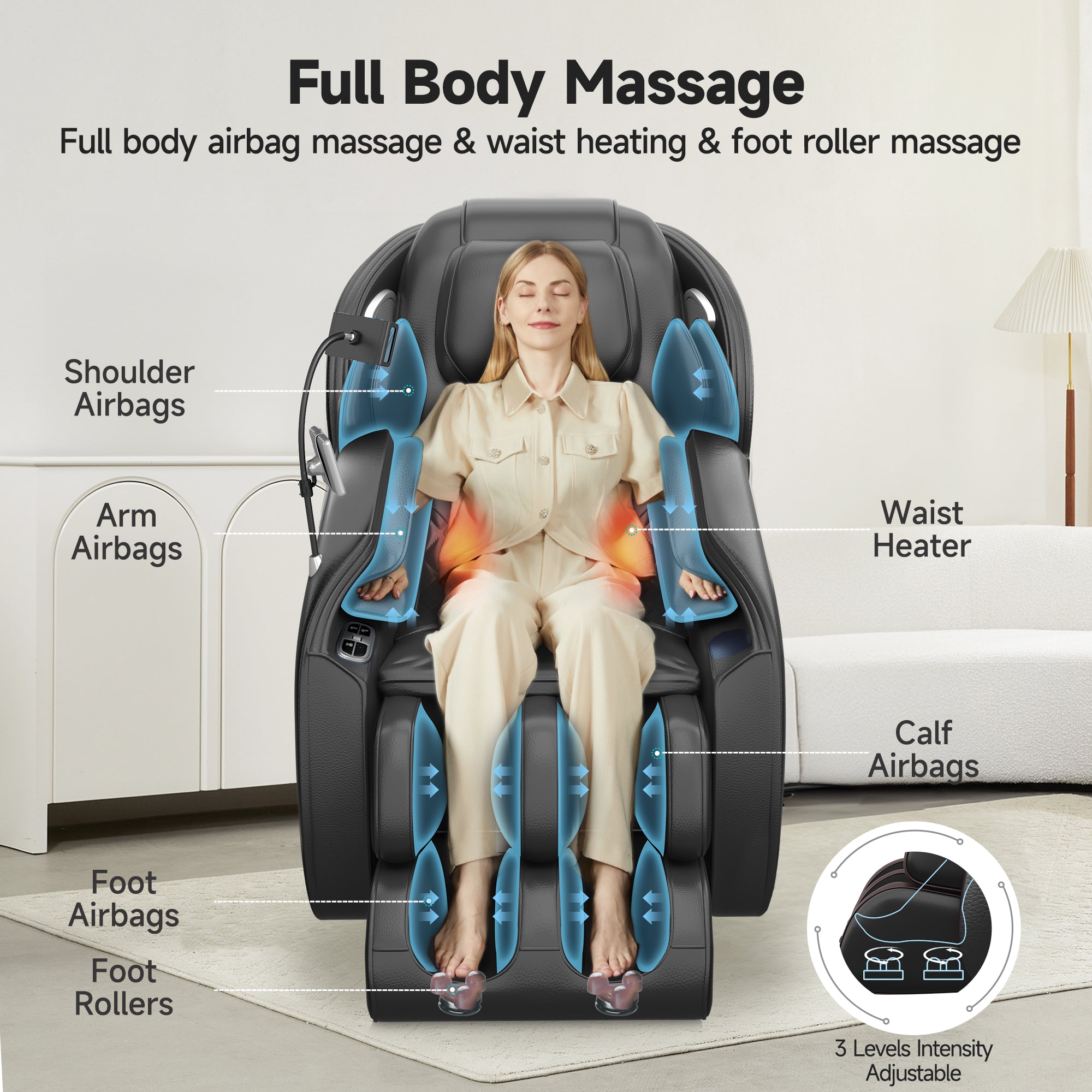
Real Relax Favor-06 massage chair with full body airbag and foot massage, and waist heating
Space and noise matter more here. Living in apartments or smaller homes means I pay attention to:
-
Chair dimensions and footprint
-
Wall-hugging recline mechanisms
-
Noise levels during operation
Even the best massage isn’t worth it if the chair takes up too much space or is too loud for a shared living area.
Price feels more like an investment than an impulse purchase. Instead of chasing flashy features, I consider durability, warranty and whether I’ll still enjoy the chair years down the line.
US vs Canadian Buyers Comparison
Here’s a clear picture of the different priorities:
Why These Differences Exist
From my perspective, the differences are shaped by lifestyle and climate.
-
In the US, larger homes, basements and open living spaces make it easier to accommodate big, powerful chairs. Buyers are drawn to technology, intensity and options that feel impressive.
-
In Canada, many people live in apartments or condos, and winters are cold. That makes comfort, warmth and quiet operation much more important. A chair that’s practical and inviting wins over one that’s flashy but impractical.
Cultural differences also play a role. US marketing often highlights luxury, status and high performance, while Canadian marketing emphasizes everyday usability and comfort.
My Personal Take as a Canadian Shopper
Looking at both markets helped me figure out what really matters to me.
If I’m in the mood for a bold, high-tech massage chair with all the bells and whistles, the US approach is tempting. But if I want something I’ll use regularly, that fits easily in my home, and actually feels relaxing day after day, the Canadian style makes more sense.
US massage chairs often feel like a statement piece. Canadian massage chairs feel like part of the home—something you can come back to every evening without stress. That difference matters more than the number of massage programs or adjustable rollers.
What This Means for Choosing a Massage Chair
Neither market is better—they just appeal to different priorities. Understanding these differences can make shopping much easier:
-
US buyers often look for power, high-tech features and a bold presence.
-
Canadian buyers care more about comfort, practical features, warmth, quiet operation and long-term satisfaction.
As a Canadian shopper, thinking about how I’ll actually use the chair every day helps me make a clear decision. I want a chair I enjoy coming home to, not just something that impresses at first glance.
Buying a massage chair isn’t just about comparing brands or features. It’s about figuring out what matters most for your lifestyle.
Knowing these differences ahead of time can save time, money and potential frustration. It also makes it easier to choose a massage chair you’ll actually use and enjoy for years to come.


